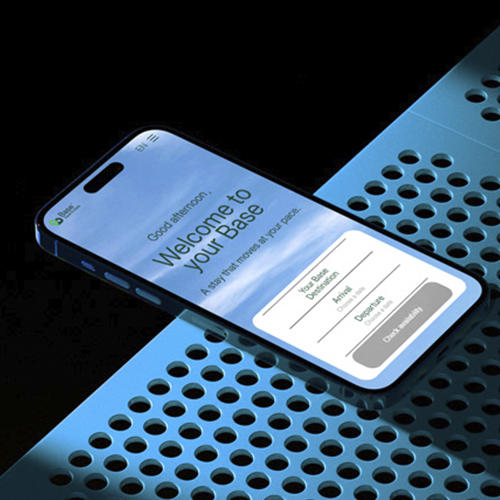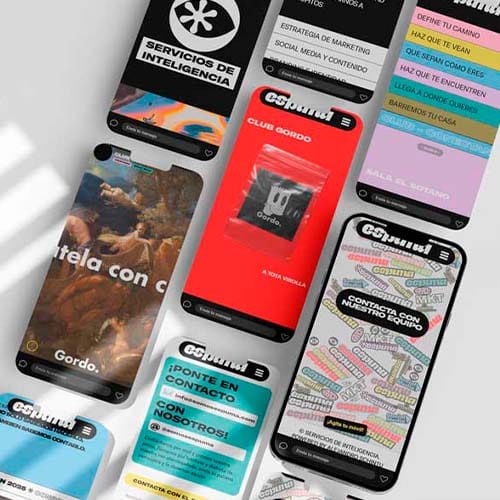


I don’t start by designing. I start by thinking. These are the stages of the web design process as I work them. Because building a professional website isn’t about choosing an attractive colour palette or adding flashy animations. It’s about making strategic and technical decisions that directly affect how people see your brand, how they use the interface and, above all, how they buy from you.
This is my web design process, step by step, for building a digital asset that isn’t just visually spotless but works as an efficient conversion machine.

The starting point: understanding what the website is for
Before writing a single line of code or opening Figma, we talk business. What problem do you solve? Exactly who are you talking to? What’s the main number that defines success for your site?
It sounds basic, but skipping this stage is the mistake that sinks most projects. This is where we define your offer, the technical requirements and the conversion goals. Without that groundwork, doing a custom web design is literally throwing money at something nobody will use.
Strategy and structure: defining the site architecture
With the idea clear, I define the information hierarchy. I don’t drop elements in at random or follow prefabricated templates. I design the navigation flow as a tightly optimised funnel towards conversion:
- A clear entrance (above the fold): A direct message at first glance that hooks the visitor in under 3 seconds and makes it obvious what you offer.
- A friction-free path: Logical navigation that keeps mental effort to a minimum. This is especially critical when building an ecommerce site or online shop, where one unnecessary step at checkout or a confusing category structure turns straight into abandoned baskets.
- Natural conversion: Call-to-action buttons (CTAs) placed strategically so the customer knows exactly what the next logical step is, without having to look for it.
Custom web design and UX: looks at the service of strategy
This is the stage where it takes visual shape, but not just so it looks ‘nice’. I design to communicate, to structure information and to guide the visitor. The basic principle is that the visitor shouldn’t have to think. The interface should take them by the hand towards the goal.
To get there, I apply advanced UX/UI design principles:
- If a visual flourish distracts from the sales goal, it goes.
- If typographic contrast, white space or a micro-movement guides the eye towards conversion, it gets more room.
The goal is the perfect technical balance between high-quality visual impact and usability without cracks.
Development and technical optimisation
A spectacular design that takes 5 seconds to load is useless. This is where the sketch turns into real, solid code. As a web development specialist, I build the platform for extreme performance:
- Radical loading speed: Thorough optimisation of Core Web Vitals, deferred loading of resources, a minimal DOM and efficient database queries.
- Real mobile optimisation (mobile-first): Not just an ‘adapted’ design, but an interface and interaction logic thought out from scratch to sell through a smartphone screen.
- A clean technical base: No overloaded builders or junk plugins that end up breaking the system at the next update. Clean code that can grow and be maintained.
What you can’t see (the code and the server architecture) is what really holds up your technical SEO and your sales over the long term.
Review, launch and support
Before going live, I stress-test every detail of the site: conditional form flows, response times (TTFB), checks across different browsers and load tests. I find any technical friction and adjust the code.
But once it’s launched, the website isn’t an inert product. It’s a living tool. That’s why, after launch, the site needs performance monitoring, security updates and ongoing tweaks to avoid holes or slowdowns that cost you customers.
Why this method works
This system cuts out technical and visual improvisation. It rests on three pillars:
- No recycled templates: Every project starts from a blank page, with architecture built to the exact measure of your business.
- Direct technical communication: You talk, with no middlemen, to the person who designs and writes the code. Quick, workable decisions with nothing lost in translation.
- Continuous improvement: Visitor behaviour gets measured, friction gets adjusted and the system keeps being optimised.
The end result isn’t a digital leaflet to go with your business card. It’s software working for your business 24 hours a day. Design without strategy is just visual noise. Strategy without solid technical execution isn’t worth the paper it’s written on. Here you get the whole system.